

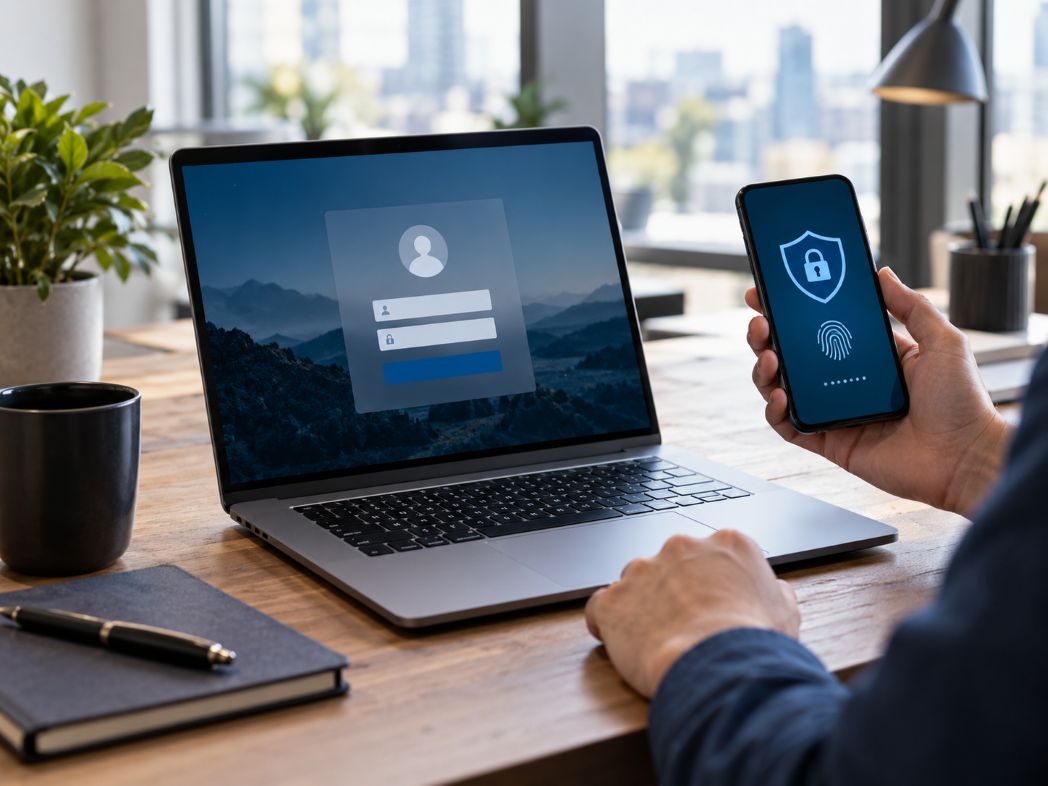
Phishing attacks often begin with a page designed to look like a legitimate sign-in screen. According to the U.S. Federal Trade Commission, scammers commonly impersonate familiar organizations to persuade people to reveal passwords, financial information, or other sensitive data. Gaming accounts deserve the same caution as email or banking accounts because they may contain personal information, saved payment methods, and transaction histories.
This becomes especially important when users encounter an unfamiliar page through a search result, message, advertisement, or shared link. A page such as MZPlay log in provides a useful example of why the address itself should be examined before any credentials are entered. A polished design alone cannot establish that a login page belongs to the service a user expects.
Fortunately, several visible clues can help consumers evaluate a gaming sign-in page before sharing account information. None provides absolute proof on its own, but checking them together can reduce unnecessary exposure to phishing and account theft.
1. Check the Domain Name Carefully
The first place to look is the browser’s address bar. Fraudulent websites sometimes use domains that resemble legitimate ones through misspellings, extra words, substituted characters, or unfamiliar domain extensions.
For example, a fake address might add an extra letter or place the recognizable name inside a much longer domain. Users should read the complete hostname rather than assuming that a familiar-looking word means the site is genuine.
The Cybersecurity and Infrastructure Security Agency advises consumers to be cautious about suspicious links and phishing attempts that imitate trusted organizations. Instead of following an unexpected link, going to a known website directly can reduce the chance of landing on an imitation sign-in page.
2. Look for a Secure Connection, but Do Not Rely on It Alone
A legitimate gaming login should normally use an encrypted HTTPS connection. Encryption protects information traveling between the browser and the website from being easily intercepted while in transit.
However, HTTPS does not prove that the organization operating the website is trustworthy. Fraudulent websites can also obtain security certificates. A secure connection therefore needs to be considered alongside the domain name, operator information, and other indicators.
3. Find Clear Information About the Operator
A trustworthy account page should make it reasonably clear who operates the service. Look for information such as the company or operator name, contact channels, terms of service, and, where relevant, licensing or regulatory information.
If an online gaming account page offers almost no explanation of who operates it, consumers have less information available for verifying the service. This is particularly important with gambling-related platforms, where regulatory requirements can differ substantially between jurisdictions.
4. Review the Privacy Information
Login systems collect sensitive information, so users should be able to understand how their data is handled. A privacy notice should explain the types of information collected and generally describe how that information is used, stored, or shared.
Privacy documentation does not automatically establish legitimacy, but its absence can be a warning sign. Consumers should be especially cautious when a site requests extensive personal details without explaining why they are necessary.
5. Question Unusual Credential Requests
A normal login usually asks for information associated with authentication, such as a username, email address, password, or approved authentication factor. Requests for unrelated information deserve additional scrutiny.
For instance, a sign-in page asking for a full payment-card PIN, banking password, cryptocurrency recovery phrase, or unrelated email credentials would be highly unusual. Consumers should stop before supplying information that appears excessive for the task.
The National Institute of Standards and Technology notes that ordinary passwords are not inherently phishing-resistant. Its current digital identity guidance describes cryptographic authentication methods, including properly implemented passkeys, as approaches that can provide stronger protection against credential phishing. :chatgpt-content-reference{index=”0″}
6. Examine the Account-Recovery Process
A credible service should provide a recognizable procedure for recovering access when someone forgets a password or loses an authentication method. Recovery may involve a verified email address, recovery code, support process, or another established identity check.
Be cautious if a supposed recovery page suddenly requests unrelated financial information or directs users to communicate through an unfamiliar private messaging account. The National Institute of Standards and Technology treats account recovery as part of authentication security and recognizes recovery codes as one method for restoring access when normal authentication is unavailable. :chatgpt-content-reference{index=”1″}
7. Watch for Unexpected Redirects
Pay attention to what happens after clicking a login button. A service may legitimately use another domain for authentication or payment processing, but repeated redirects through unrelated or strangely named websites warrant closer examination.
Before entering credentials after a redirect, check the address bar again. This simple step matters because phishing can occur regardless of how someone reaches the fraudulent page, whether through email, search results, social media, or another website. NIST specifically describes phishing as an attempt to persuade a user to provide authentication information to an impostor service. :chatgpt-content-reference{index=”2″}
Basic Precautions Before Signing In
Consumers can reduce risk by bookmarking frequently used services, using unique passwords, enabling available multifactor authentication, and avoiding login links received through unexpected messages. A password manager can also help because saved credentials normally correspond to a particular domain, making an unfamiliar address easier to notice. More broadly, guidance on protecting online casino accounts can provide additional context on maintaining security when accessing gambling platforms and handling account information online.
Users should apply the same precautions to any gaming sign-in portal that handles personal or payment information. If something about the domain, recovery procedure, operator identity, or redirect path appears inconsistent, it is safer to verify the service through an independent channel before entering credentials.
Security precautions do not address the financial risks of gambling itself. Gambling can result in financial loss, and people should use regulated services where applicable, set personal spending limits, avoid gambling with money needed for essential expenses, and seek support if gambling becomes difficult to control.
Conclusion
No single visual clue can guarantee that a login page is genuine. Checking the domain, HTTPS connection, operator details, privacy information, requested credentials, recovery options, and redirect behavior provides a more reliable assessment than judging a page by appearance alone.
Before using any online gaming login, consumers should take a few seconds to confirm where they are and what information the page is requesting. Those basic checks can help protect gaming credentials, personal information, and connected payment accounts from avoidable security risks.