

Modern games are carefully designed to keep players interested through challenges, rewards, visual effects, sound, and interactive features. Understanding these design principles can help explain why some digital games are highly engaging. When games include gambling mechanics or real-money wagering, understanding their design becomes even more important.
The Elements of Game Design
Here are they:
1-Rewards and Progress
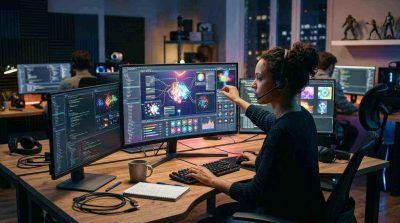 Many games provide rewards when players complete objectives. Progress systems can encourage users to continue playing because each achievement creates a sense of advancement. In ordinary games, rewards may be virtual items, levels, or achievements.
2-Uncertainty
Unpredictable outcomes can create anticipation. Random rewards are one example of a design feature that can make an experience feel exciting. When money is involved, however, uncertainty also introduces financial risk.
Gaming and Gambling Mechanics
See below:
Similar Visual Features
Some gambling products use colorful graphics, sounds, animations, and reward systems that resemble elements found in video games. These similarities can make it important for users to understand whether an activity involves real-money wagering.
Know the Rules
Before participating in any money-based game, users should understand how outcomes are determined, what can be lost, and what rules apply.
Responsible Digital Entertainment
Here’s how:
1-Set Limits
A spending and time limit can help keep entertainment manageable. Gambling expenses should come from discretionary funds rather than money intended for necessities.
2-Take Breaks
Regular breaks can reduce the chance of spending excessive time in highly engaging digital environments.
Conclusion
Game design uses rewards, challenges, uncertainty, and interactive features to create engaging experiences. These principles appear across digital entertainment, but they require additional awareness when real money is involved. Understanding how games are designed can help users make more informed decisions about the entertainment they choose.